
Property investmentin Pererenan
Pererenan is a desa in the kecamatan of Mengwi, on the eastern edge of Canggu, with Munggu beginning to its west. The neighbourhood attracts an international clientele that wants the south-west coast without living in the densest village. The market there is real, and already under pressure.
Talk about your projectDiscover Pererenan
Pererenan is a desa in its own right, in the kecamatan of Mengwi and the kabupaten of Badung. The commune describes it as a coastal territory of a little over four square kilometres, bordered to the east by Canggu, to the west by Munggu, to the south by the ocean and to the north by Tumbakbayuh. It therefore belongs neither to Kuta Utara nor to the village of Canggu.
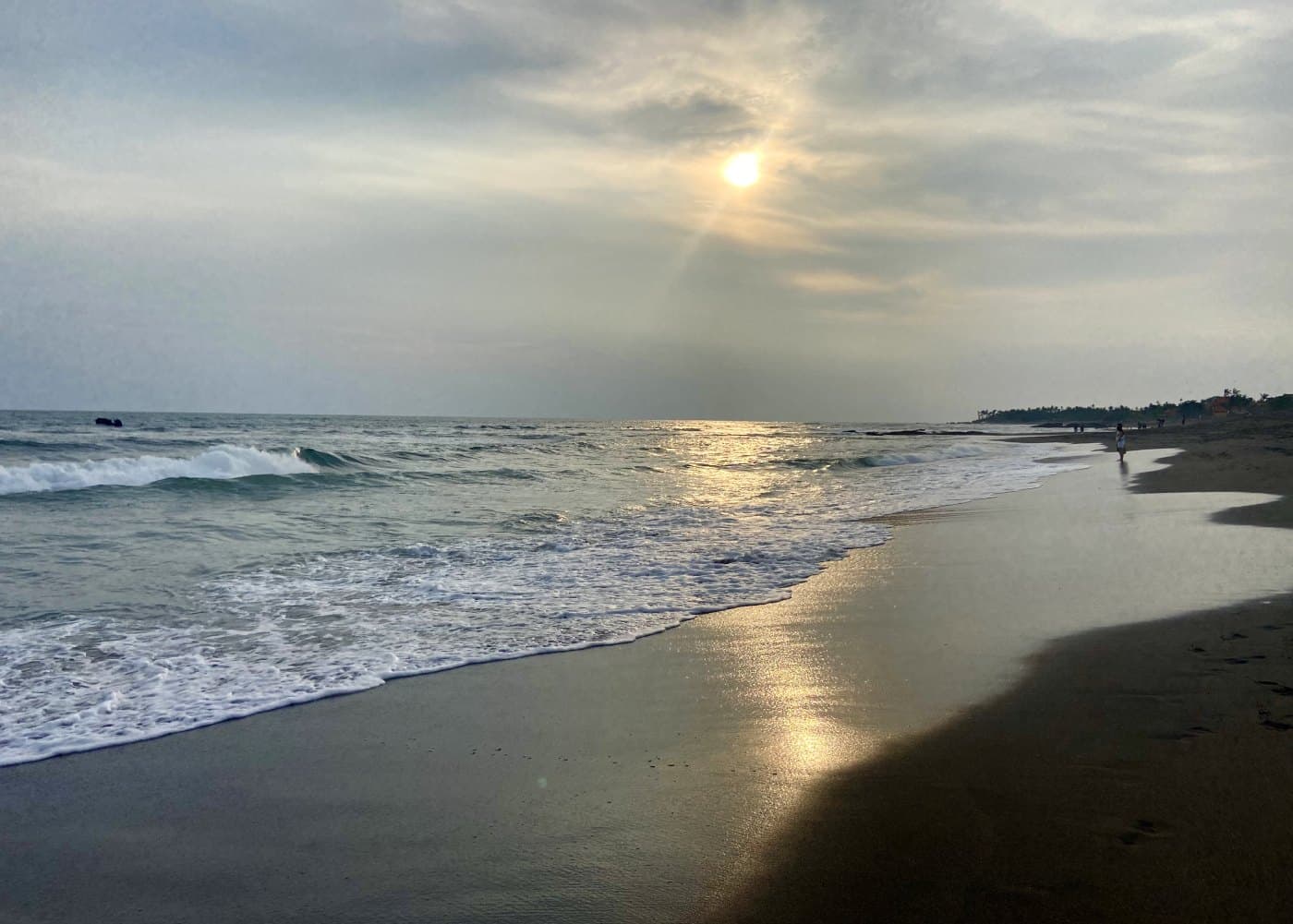
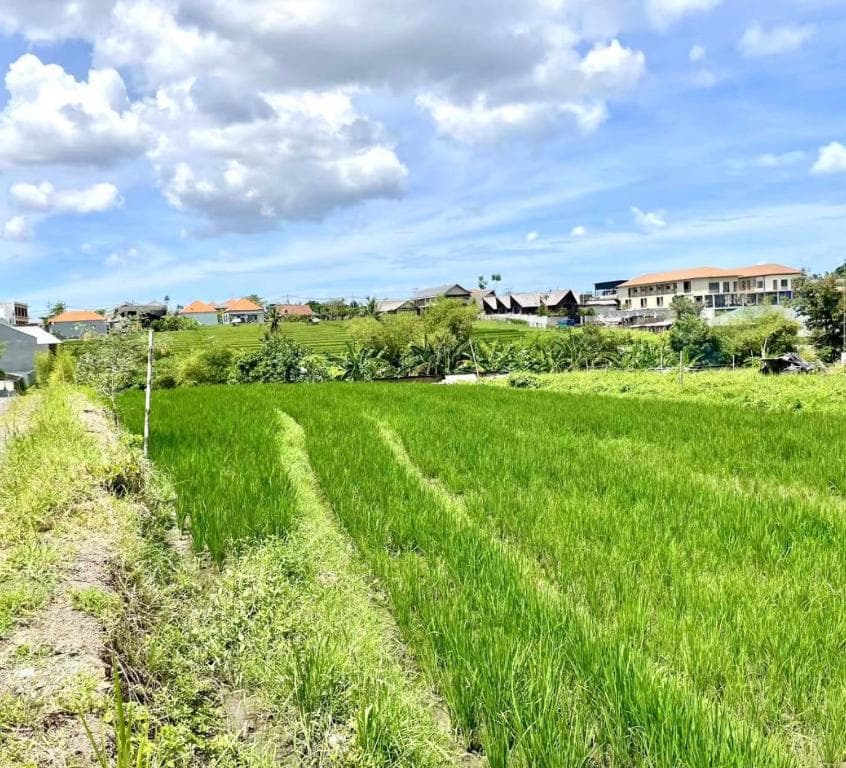
The landscape combines Pererenan beach, rice fields and contemporary villas set along residential lanes. Cafés and restaurants have established themselves without reproducing the continuous commercial front of Batu Bolong. People come to stay, to walk to the sea and to keep a neighbourhood that is easier to read than the one next door.
Access depends on the same coastal roads as Canggu. Proximity is an advantage when the traffic flows, and a reminder when it does not. Pererenan is the residential edge of the south-west, inside that same coast.
What sets it apart is precisely this position. Less saturated than Canggu, and more established than Seseh, it suits stays of medium and long duration. The conversion of rice fields is already visible. That conversion belongs in the analysis, as part of the setting itself.
Why visit Pererenan?
The clientele is mainly international: couples, travellers on extended stays, and people who work remotely and want a quieter neighbourhood than Canggu. Surfers use the beach, though Pererenan is not a competition spot. Families in search of silence, and divers, generally look elsewhere.

01
Pererenan Beach
The beach closes the territory to the south. It continues the volcanic coastline of the south-west, with less continuous footfall than Batu Bolong. The property interest is the possibility, depending on the street, of reaching the beach without crossing a continuous commercial front.
02
Rice fields that can still be read
The communal profile distinguishes dry land from wet agricultural land. Some villas were chosen precisely for this openness. It is not guaranteed. A rice field is a land use, and carries no view easement.
03
Cafés and neighbourhood life
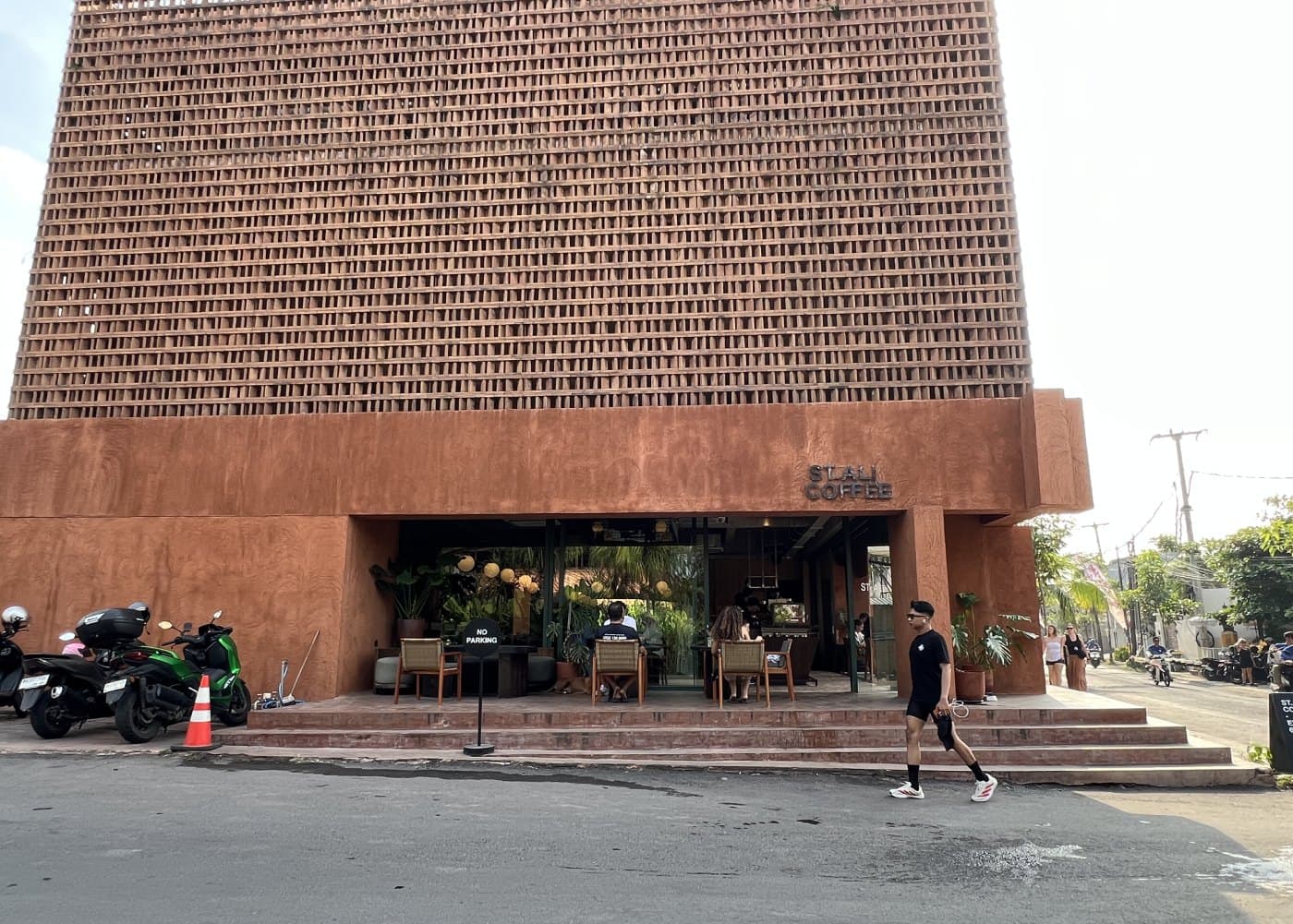
Restaurants and cafés make it possible to stay for several weeks without going to another village every day. The offer remains more measured than Canggu’s. That is a quality for some tenants, and a limit for those who want everything within walking distance.
04
Proximity, without merger
Many visitors place Pererenan by reference to Canggu. That is accurate as a way of life, and inaccurate in administrative terms. A property, a local tax or a neighbourhood rule is read in the desa of Pererenan, in its own village.
Why invest in Pererenan?
Pererenan is a sought-after residential market, not an emerging market in the sense of a territory without supply. Contemporary villas are already numerous. Rental demand comes mainly from stays of several weeks and from international tenants who will pay for a more residential neighbourhood than Canggu, while remaining close to its beaches and its services.
The types that match this use are carefully finished residential villas, with outdoor spaces that are looked after, rather than standardised products designed only for a short overnight stay. The competitive advantage is the position: close enough to enjoy the south-west, distinct enough to avoid its full density. That advantage disappears if the street is already saturated, if access is poor, or if the villa offers nothing its neighbour does not also offer.
Land pressure is the central point of caution. The gradual replacement of rice fields changes both the setting and the stock of properties. A view that is still open has to be reread in light of what the neighbouring plots can become. Pererenan and Munggu touch, and a location in one is a different location from the other. As elsewhere in Bali, the interest of a property depends on the right held and on the management, independently of the neighbourhood name. It is also necessary to see who operates it. A villa designed for several weeks is managed differently from a weekend rotation: fewer changeovers, and a higher standard for noise, comfort and maintenance. If the mandate ignores that difference, the residential character remains a sales argument, and stops short of a way of operating.
What next for Pererenan?
Pererenan has already left the stage of a purely agricultural village. The commune itself presents its coastline as having both tourist and agricultural potential. In practice, the residential fabric has thickened, and the open question is how the neighbourhood continues from here.
There is no major new facility to announce here. The likely course, already under way, is further building along the existing roads and a reduction in open land. That course can support demand from those who still want a Pererenan quieter than Canggu. It can also close the gap that justifies preferring Pererenan.
This path does not, on its own, decide whether a property is of interest. A street, a construction, a clear right and management able to let to long stays still have to be distinguished. The risk of saturation is local, and it is visible plot by plot. The present roads are enough to explain the development under way: they link the beach, the land still open, and Canggu. No new access needs to be added to that observation. If building continues at the pace already visible, the neighbourhood will draw closer to its neighbour. That is the scenario to test on site, looking at empty plots as much as at finished villas.
Your property project in Pererenan
For a project in Pererenan, BEL-AIR begins with your objectives and with the period for which you wish to hold the property. We compare locations within the village, keeping them distinct from Canggu and from Munggu, then we examine the construction and the contract. The acquisition steps are supported. Legal and tax advice remains to be confirmed with the appropriate professionals. A visit to the village is part of that preparation.
Speak with an adviser